
Varicose Vein Treatment
What are varicose veins?
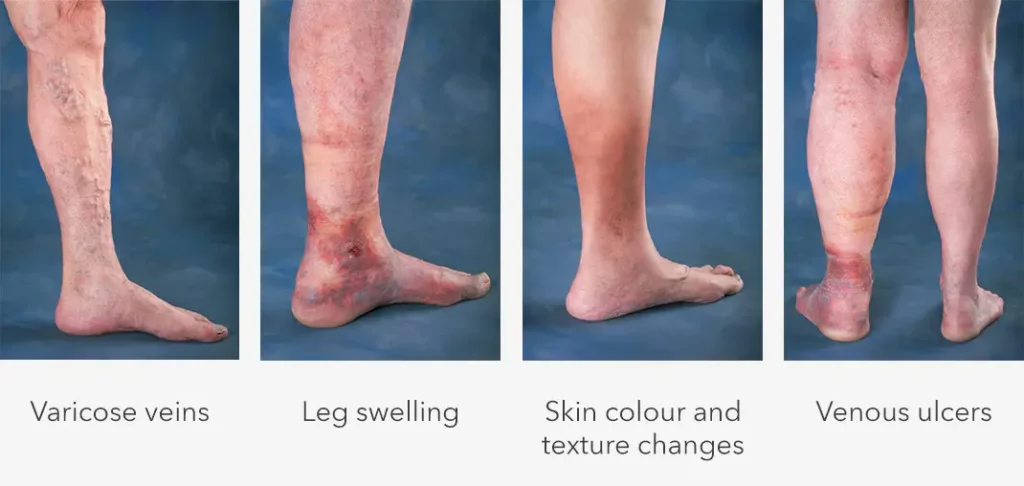
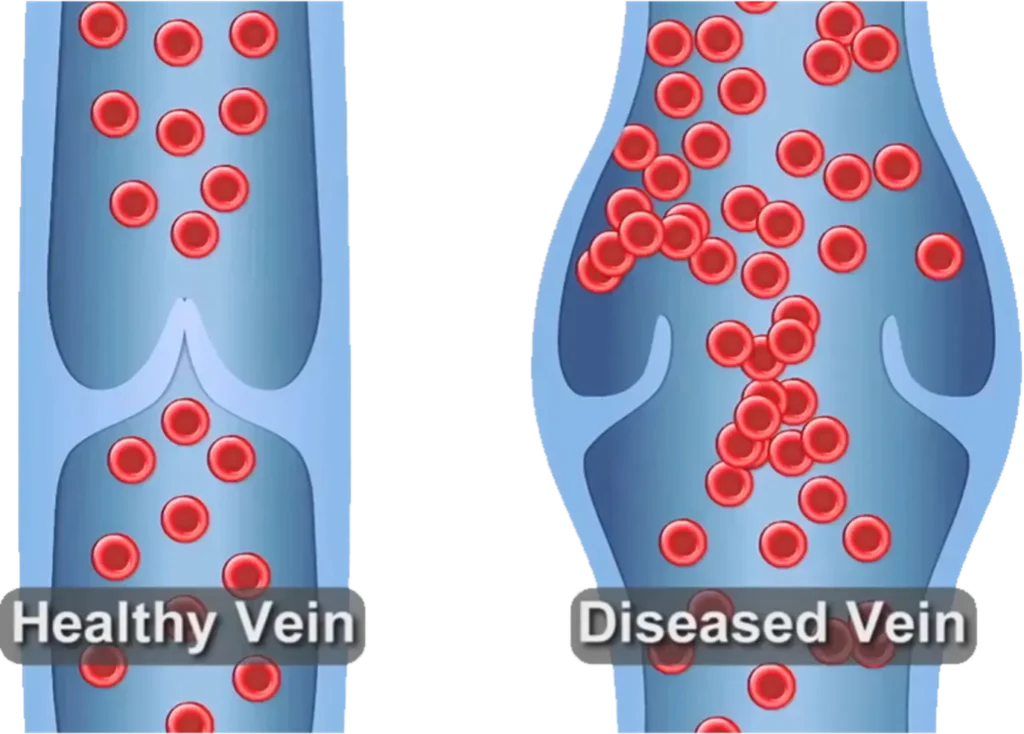
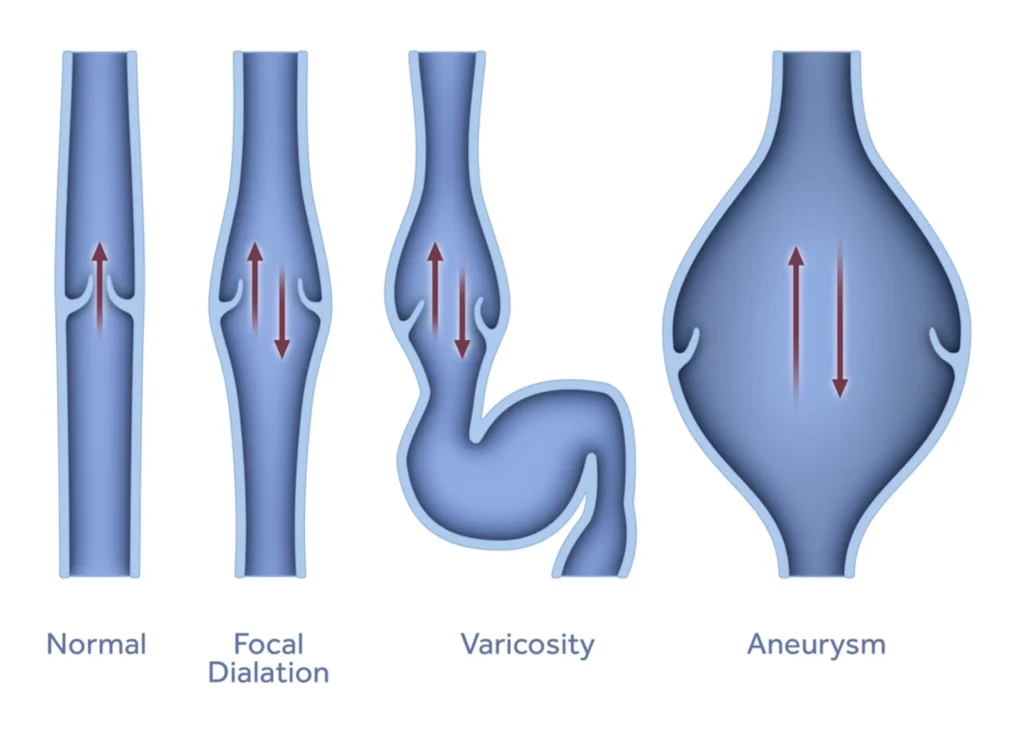
Varicose veins are enlarged visible veins on the leg. They are often cosmetic problems but can be symptomatic. Varicose veins are part of venous insufficiency syndrome, where poorly functioning valves allow blood to flow in the wrong direction and pool.
Studies have shown that the condition affects somewhere between 10 and 30% of the world, and is more common in women than men, especially women who have had multiple pregnancies or patients with high body mass index. As studies in Japan and France have shown, a family history of venous insufficiency also increases the chances of the condition. Other associations include occupations involving prolonged periods of standing, smoking and pes planus (flat feet).
Why and where do varicose veins occur?
Varicose veins are most commonly seen/smptomatic in the lower limbs and can sometimes involve the groins and genital areas. Having said that, they can occur in other areas of the body including the upper limbs and chest/abdomen/pelvis. Varicose veins in these locations are however not commonly symptomatic.
Venous reflux disease develops when the valves stop working properly and allow blood to flow backward (i.e., reflux) and pool in the lower leg veins.
The onset of varicose vein disease is insidious with slow progression. Patients often have significant disease prior to presentation. Rapid progression of varicose vein disease is rare but can be associated with other pathologies including iliac vein stenosis/compression (e.g., May Thurner stenosis), pelvic venous disorders, prior history of DVT etc.
What symptoms do varicose veins cause?
Whilst varicose veins are generally harmless and do not pose significant health risks, they can cause persistent symptoms. Symptoms may include
- A sensation of heaviness/discomfort, particularly towards the end of the day
- Itching, burning sensation, cramps
- Visible enlarged veins, spider veins, skin discoloration, ulcers
- Tenderness over visibly enlarged veins
- Bleeding
- Distress over cosmetic appearnce
Some patients may have gradually enlarging veins/spider veins with very few other symptoms
Varicose veins can rarely be associated with more serious conditions like deep venous thrombosis (DVT) or other vascular issues like May-Thurner Syndrome (narrowing of a large vein draining the left leg in the pelvis), pelvic venous disorder etc
When should you consult with a vein specialist?
If you have any of the above symptoms or other concerns with regards to varicose veins.
How are varicose veins diagnosed?
You will need a consultation with a vein specialist where detailed clinical history is taken and physical examination performed. You will need an ultrasound scan to map out the veins and identify abnormal refluxing veins to determine what needs to be treated.
Our interventional radiologists are experienced in clinical assessment and management of varicose veins using well established and evidence based treatments.
If your interventional radiologist suspects any other associated issues like DVT, May-Thurner syndrome etc, they may arrange for you to have additional investigations like a CT scan before determining what the best treatment strategy is.
How are varicose veins treated?
As with any chronic medical issue, conservative treatment options are initally explored. This includes life style modifications like smoking cessation, optimizing body weight, avoiding prolonged periods of standing and compression stockings.
However, the above may not be sufficient in which case, interventional options are explored. These include
- Vein ablation – Radiofrequency ablation, laser ablation (Both these are equally effective and have similar outcomes. The technology used is dependent on operator preference and local availability). Ablation procedures are generally performed with local anaesthetic. We are able to give mild conscious sedation as required.
- Vein sclerotherapy – This involves injecting a sclerosant medication into the abnormal veins to make them shrink and eventually disappear. This is often used in conjuction with ablation to achieve the best clinical outcomes
- Ambulatory phlebectomy – This involves physical removal of visible abnormal and enlarged veins via tiny incisions. This is also used in conjuction with ablation and sclerotherapy to enhance outcomes
- Glue ablation – This is a relatively new technique where medical glue (eg Venaseal) is injected to close the abnormal veins. This can be offered to patients in certain situations
Your interventional radiologist will discuss the best treatment strategy for your condition in detail and propose a treatment plan
How effective is the treatment?
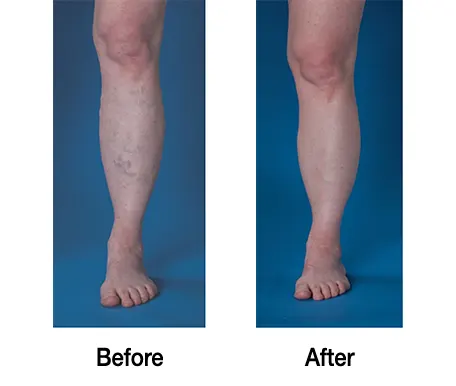
Vein ablation inconjunction with sclerotherapy and phlebectomy is one of the most effective and minimally invasive treatments for varicose veins with excellent long term results in most patients.
Whilst surgical treatment is also effective in managing varicose veins, minimally invasive ablation procedures have several advantages including short procedure time, quick recovery, no requirement for hospital stay or general anaesthetic.
Pre and post treatment appearances after radiofrequency ablation and sclerotherapy
What is the recovery like?
There is minimal to no downtime from daily activities/work post treatment. You are encouraged to undertake light exercise (walking for 30 minutes) immediately post treatment to encourage blood flow through normal veins.
You will be required to wear compression stockings for 5-7 days to ensure best results.
Our team will explain post procedure measures in detail prior to discharge.
Are there any side effects?
Minimally invasive varicose vein treatment is generally safe. Minor complications include transient thrombophlebitis (pain and redness over treated veins), temporary skin discoloration may occur. More serious complications like deep venous thrombosis are very rare.
Your interventional radiologist will discuss these potential issues in detail at the time of the initial consultation.
How do i determine if i am a good candidate for varicose vein ablation?
If you have any concerns regarding varicose veins/appearance of veins on the lower limbs, a specialist consultation is the best way to assess.
Please contact our friendly office staff or arrange a GP referral to one of our interventional radiologists.
Affiliations & Associations


